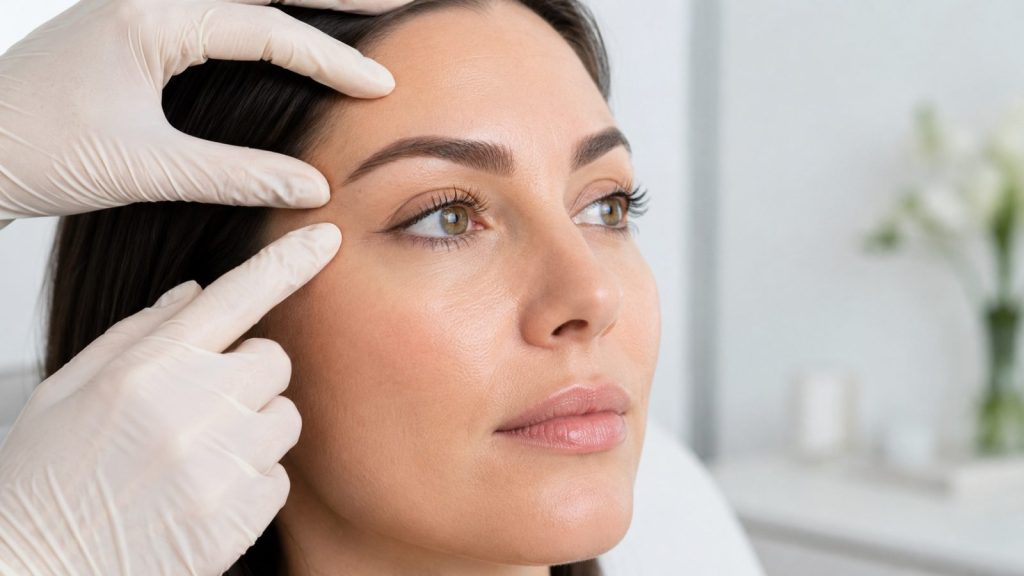
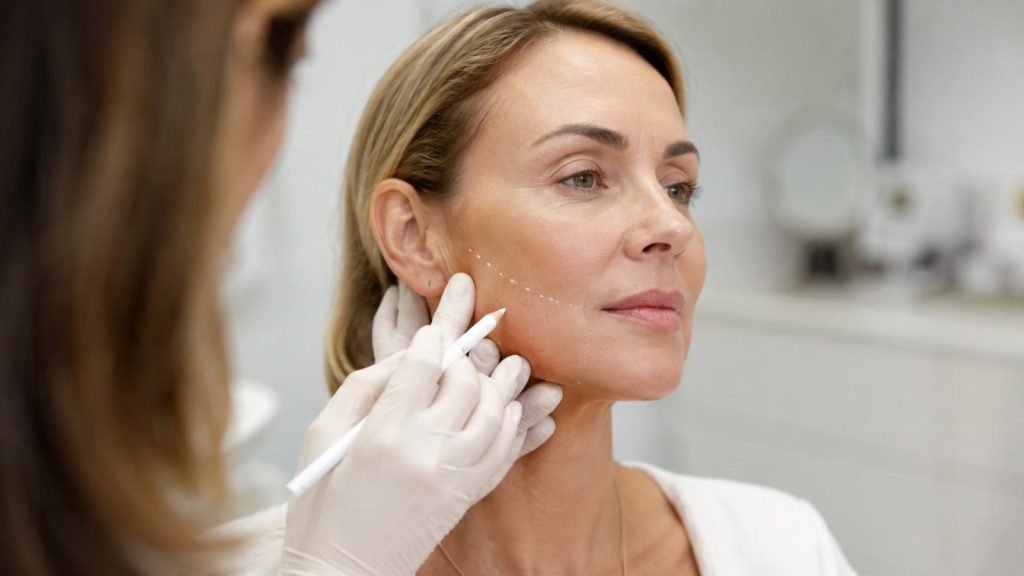
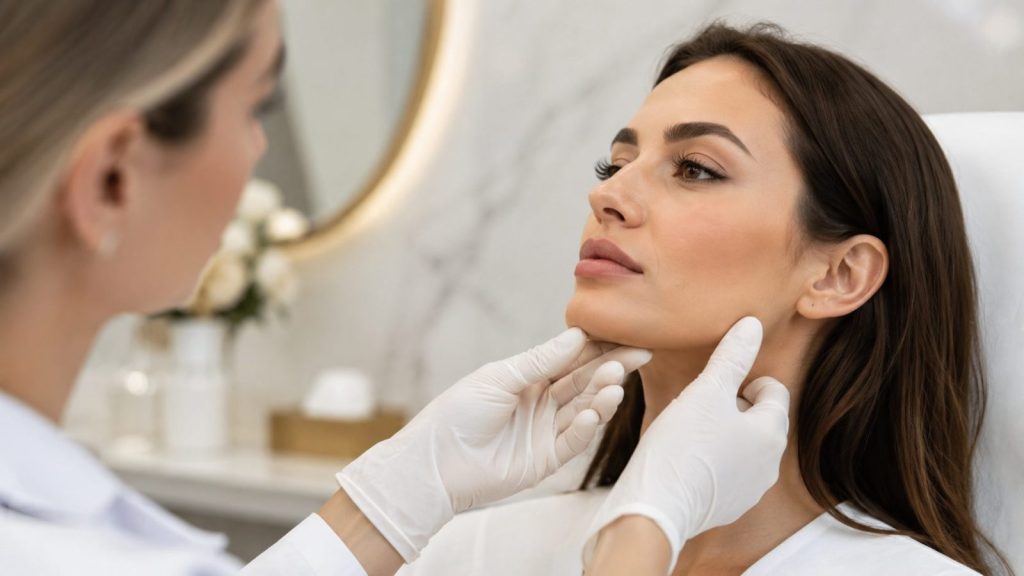
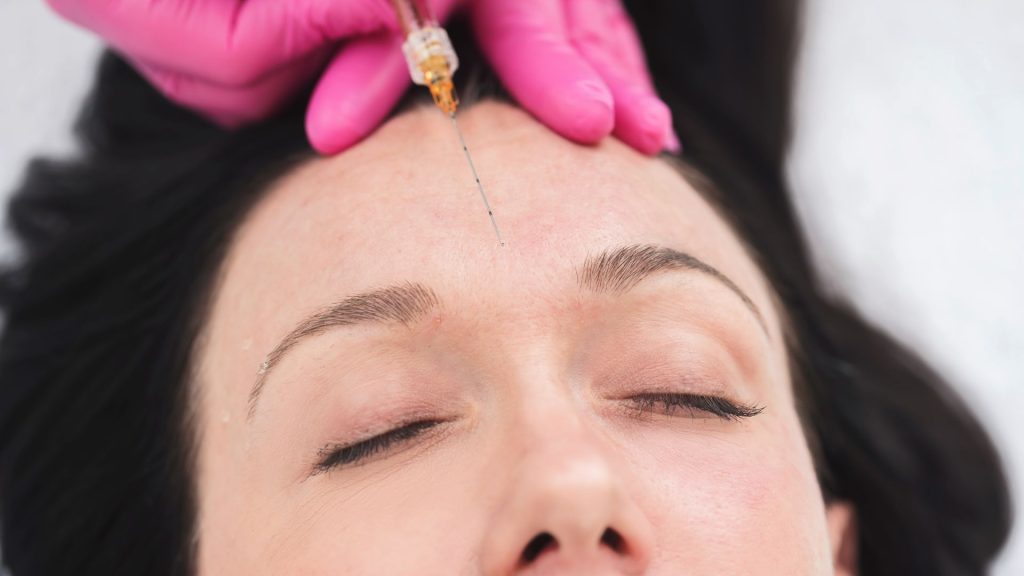
Dermal Fillers London

What we do

Dermal Fillers in London

Doctor-lead aesthetic treatments at DRV Clinic.

Fast Recovery

You'll leave feeling stretched and ready.

Minimal Downtime

You don't require recovery.

Return to Your Routine

You can resume your routine immediately.

Non-Invasive

Local anaesthetic injections.

Why choose us

Are Dermal Fillers Right for You?Benefits & Considerations

When used appropriately, dermal fillers can address very specific structural and age-related changes in the face and body. Their value lies not in creating volume everywhere, but in restoring balance where support has been lost.

Targeted volume replacement

Dermal fillers can restore volume precisely in areas affected by ageing or weight loss, such as the cheeks, temples, under-eye region, or around the mouth, without affecting surrounding tissues.

Structural support rather than surface filling

A well-planned dermal filler treatment reinforces deeper anatomical points, helping to lift and support the face naturally instead of simply “filling lines”.

Improved facial proportions and symmetry

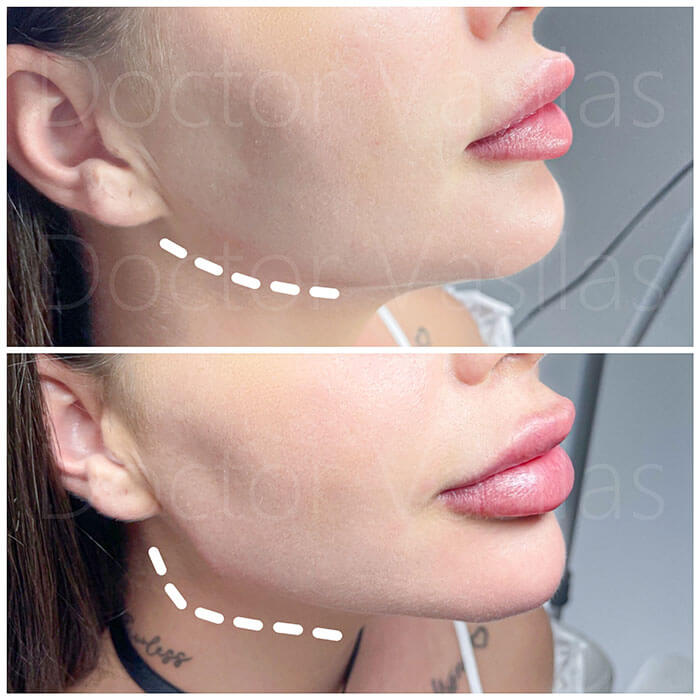
Dermal fillers can be used to correct asymmetries or rebalance facial features, particularly in the jawline, chin, and mid-face, improving overall harmony.

Softening of deep folds without freezing expression

Unlike treatments that act on muscle movement, dermal fillers support the skin from beneath, reducing the appearance of folds while allowing natural facial expression.

Customisable and reversible treatment

Most hyaluronic acid–based dermal fillers can be adjusted over time and, if necessary, safely dissolved, an important safety and flexibility benefit.

Immediate results with minimal recovery time

Results from dermal filler treatments are visible immediately, with most patients able to return to normal activities shortly after their appointment.

Important Considerations

While dermal fillers offer clear benefits, they are not suitable for every concern. Skin laxity, surface texture issues, or expression-related lines may require alternative or combined treatments. This is why a detailed consultation is essential before proceeding.

At DRV Clinic, dermal filler treatments are only recommended when they are likely to provide a meaningful, proportionate, and medically appropriate improvement.

Years Of Experience
0 +
Patient Satisfaction
0 %
Happy Families
0 K+

Dermal Filler Cost

The dermal fillers cost varies depending on the treatment area, the type of dermal filler used, and the amount of product required to achieve balanced results. Pricing is determined by treatment planning rather than a fixed approach, as different areas of the face require different techniques and volumes.

At DRV Clinic, dermal fillers London treatments are priced transparently, with clear information provided within each individual service section. This allows patients to view specific pricing for each treatment area and proceed directly with booking once they have selected the service that best suits their needs.

Cheek Filler £300/starting

1ml
1,5ml +100£
2ml +200£

Juvederm £385/session

1 Session

Jawline Filler £300/starting

1ml
2ml +£200
3ml +£300
4ml +£400

Stylage £385/session

1 Session

Chin Filler £200/starting

0,5ml
1ml +£100
2ml +£200
3ml +£400

Lips Hydration £200/session

1 Session

Lip Filler £200/starting

Lip Filler 0,5ml
Millionare 1.1ml +£150
Juicy Lips +150
Dubai Lips 1.1ml +£150

Smile Lines £300/session

1 Session

Nose Filler £400/session

1 Session

Calves Filler £400/session

1 Session

What are Dermal Fillers?

Dermal fillers are injectable medical products used to restore volume, support facial structure, and enhance natural contours of the face and body. In aesthetic medicine, a dermal filler is most commonly made from hyaluronic acid, a substance naturally present in the skin that plays a key role in hydration, elasticity, and tissue support.

When people ask what are dermal fillers, they are usually referring to treatments designed to address volume loss, facial imbalance, or age-related changes such as hollowing, sagging, and deep folds. As we age, the face gradually loses fat, collagen, and bone support. Dermal fillers work by carefully replacing this lost volume or by reinforcing specific anatomical points to restore balance and structure.

The meaning of dermal fillers goes beyond simply “adding volume.” When used correctly, they can:
  • Recreate natural facial support where it has diminished
  • Improve contour and definition in targeted areas
  • Soften the appearance of lines and folds
  • Enhance facial harmony without altering identity
If you are wondering what is dermal filler treatment in a medical sense, it is a procedure that requires detailed anatomical knowledge and precise technique. Different areas of the face require different filler densities, depths of placement, and injection methods. This is why dermal filler treatments should never be approached as a one-size-fits-all solution.

At DRV Clinic, dermal fillers are planned following a thorough consultation and facial assessment. The focus is not on changing how a patient looks, but on supporting their natural features in a controlled, proportionate, and medically appropriate way.

Our Philosophy on Aesthetic Medicine

At DRV Clinic, dermal fillers are treated as a medical procedure that requires careful assessment, planning, and clinical judgement. The focus is not on trends or quick aesthetic changes, but on understanding the individual and the underlying cause of their concern.

Every dermal filler treatment begins with a detailed consultation. This allows time to assess facial structure, skin quality, and proportions, as well as to understand what the patient hopes to achieve. In many cases, the area a patient initially requests is not the area that will produce the most balanced or natural result.

Our approach to dermal fillers is conservative and anatomy-led. Product selection, placement, and technique are chosen based on safety, proportion, and long-term outcome rather than short-term effect. Patients are guided through what can realistically be achieved and whether dermal filler treatment is appropriate on its own or as part of a broader plan.

Clear communication and informed decision-making are central to this philosophy. Treatment only proceeds when the patient fully understands the procedure and when dermal fillers are deemed suitable, ensuring results that are natural, proportionate, and medically appropriate.

How Dermall Fillers Work?

To understand how dermal fillers work, it helps to look at the changes that occur beneath the skin over time. Ageing affects not only the surface of the skin but also the deeper layers that provide structure and support. Loss of collagen, fat, and bone volume leads to changes in facial shape, contour, and definition.


A dermal filler works by being carefully placed into specific layers of the skin or deeper tissues to replace or support this lost volume. Most modern dermal fillers are hyaluronic acid–based, meaning they integrate naturally with the surrounding tissue and attract water, helping to improve both structure and hydration.


How Dermal Fillers Achieve Their Effect


When correctly selected and injected, dermal fillers can:

  • Restore volume in areas affected by ageing or weight loss
  • Enhance facial contours, such as the cheeks, jawline, or chin
  • Support facial structure by reinforcing key anatomical points
  • Soften deep lines and folds without restricting natural movement
  • Improve skin quality by attracting and retaining moisture


Depth and Placement Matter


A key part of understanding how does dermal filler work is knowing that fillers are not all injected at the same depth. Depending on the treatment area and desired outcome, a dermal filler may be placed:

  • Superficially to improve fine lines and skin texture
  • In the mid-dermal layer to support folds and contours
  • Deeply, close to bone, to recreate structural support

The choice of filler type, injection depth, and technique directly influences the safety, longevity, and natural appearance of the results.


Immediate and Progressive Results


Most patients notice an improvement immediately after treatment. However, dermal fillers continue to integrate over the following days as swelling settles and the product stabilises within the tissue. This allows results to appear smoother and more natural with time.


At DRV Clinic, the way dermal fillers work is carefully explained during consultation, so patients understand not only the expected outcome but also the reasoning behind product choice, placement, and treatment planning.
Dermal Filler Brands We Use at DRV Clinic

At DRV Clinic, dermal filler treatments are not limited to a single brand. Product selection is based on facial anatomy, treatment goals, and clinical suitability rather than a one-brand-fits-all approach. Patients also have the option to discuss brand preferences during consultation.

The dermal filler brands used at DRV Clinic include well-established and clinically recognised products such as Stylage, Revolax, HYALivie, Lumifil, Venome, Exolime, Teosyal, Juvederm, Eptq, and Epiticon, alongside biostimulatory and regenerative injectables where appropriate.

Each brand offers different properties in terms of consistency, elasticity, and tissue integration. This allows treatments to be tailored depending on whether structural support, contouring, hydration, or gradual tissue improvement is required. Using a range of products enables a more precise and personalised approach.

Rather than promoting a specific filler, the focus at DRV Clinic is on selecting the most appropriate product for the treatment area and the individual. This flexibility supports safer outcomes, more natural results, and better long-term planning.

All products used are sourced through approved suppliers and selected in line with clinical standards and practitioner experience.

Dermal Fillers
Areas Treated

Loss of volume in the mid-face is a common cause of a tired or flattened appearance. As the cheeks lose structural support, the face can appear heavier in the lower areas and facial folds may become more pronounced. Cheek dermal filler treatments are used to restore this lost support rather than simply adding surface volume.


Cheek dermal fillers are placed at specific anatomical points to rebuild mid-face structure and improve contour. Treating the dermal filler cheeks area correctly can also have a supportive effect on surrounding regions, helping to soften folds and improve overall facial balance.

The aim of dermal fillers for cheek enhancement is to recreate natural projection and shape, not to overfill the face. Product selection, depth of placement, and symmetry are carefully considered to ensure results remain proportionate and aligned with the patient’s facial anatomy.

The chin and cheekbones play a central role in facial structure and overall balance. Together, they influence profile, projection, and how the mid- and lower face relate to one another. Chin dermal filler and dermal fillers cheekbones treatments are often planned together to restore proportion rather than treating features in isolation.

A dermal filler chin treatment can improve projection and symmetry in the lower face, while cheekbone support helps restore structure in the upper mid-face. Loss of support in these areas can affect facial harmony, making other features appear more prominent or unbalanced.

By addressing both areas strategically, dermal filler treatments can recreate natural support points in the face. Careful assessment of proportions and facial movement ensures results remain subtle, balanced, and consistent with the patient’s natural anatomy.

The jawline plays a key role in defining the lower face and maintaining facial structure. With ageing, bone resorption and soft-tissue descent can reduce definition along the jaw, contributing to blurring of the jawline and the appearance of jowls. Dermal fillers jawline treatments are used to restore structural support rather than simply creating sharp edges.

A jaw dermal filler treatment focuses on reinforcing the underlying framework of the lower face. By improving support at specific points, the jawline can appear more defined while still moving naturally with expression.

In selected cases, dermal fillers for jowls may help improve the appearance of lower-face heaviness by restoring support above the jowl area, rather than directly filling the jowl itself. This conservative approach helps maintain balance and avoids an overfilled or heavy result.

Volume loss in the temples and forehead can significantly affect upper-face balance and expression. Hollowing at the temples may create a sunken appearance, while changes in the forehead can contribute to heaviness or loss of support around the brow. Temple dermal filler treatments are used to restore volume in this area, helping to rebalance the upper face.


Dermal fillers forehead treatments focus on restoring structure rather than filling lines. When volume loss is present, carefully placed filler can support the overlying tissues and improve the transition between the forehead, temples, and brow area.

In selected cases, a  dermal filler eyebrow lift approach may be used to provide subtle support to the brow region. This technique does not replace muscle-based treatments but can improve structural support where volume loss contributes to a tired or heavy appearance.

Because this is a sensitive area, treatment planning and precise placement are essential to ensure natural movement and avoid overcorrection.

The under-eye area is one of the first regions to show signs of volume loss and fatigue. Hollowing beneath the eyes can create dark shadows and a tired appearance, even when the skin itself is healthy. Dermal fillers under eyes are used to restore volume in carefully selected patients by supporting the tissue rather than stretching the skin.

A dermal filler under eye treatment focuses on the tear trough area, where volume loss creates a visible groove between the lower eyelid and cheek. Tear trough dermal filler must be placed with precision, using an appropriate product and depth, as this is a delicate area with limited tolerance for error.

Not all patients are suitable for dermal filler for under eyes. Skin quality, swelling tendency, and anatomy must be assessed during consultation. When appropriate, results can be subtle yet effective, as shown in carefully selected under eye dermal filler before after cases.

Nasolabial folds, commonly referred to as smile lines, develop as a result of volume loss and structural changes in the mid-face rather than from the fold itself. Dermal filler nasolabial folds treatments aim to restore support to the surrounding tissues instead of directly overfilling the line.

In many cases, dermal fillers for nasolabial folds are used strategically to support the cheeks and mid-face, which can soften the appearance of the fold in a more natural and balanced way. This approach helps preserve facial movement and expression.


Dermal fillers smile lines and dermal fillers marionette lines may be considered when loss of support contributes to a downturned or heavy appearance around the mouth. Treatment planning focuses on restoring balance in the lower face while avoiding excess volume that can distort expression.

Careful assessment is essential, as these areas are highly dynamic. A conservative, anatomy-led approach helps ensure results remain subtle, proportionate, and in keeping with the natural movement of the face.

How Long Do
Dermal Fillers Last?

Patients often ask how long do dermal fillers last, and there is no single timeframe that applies to everyone. The duration of results depends on the type of filler used, the area treated, and individual factors such as metabolism and facial movement.

When considering how long does dermal filler last, it is important to understand that fillers are gradually broken down by the body. Areas exposed to frequent movement tend to lose volume sooner, while areas treated for structural support may retain results for longer.

Dermal filler results do not disappear suddenly. Instead, changes occur progressively, allowing results to fade naturally over time. This gradual process makes it possible to plan follow-up treatments in a controlled and proportionate way.

During consultation, expected longevity is discussed based on the treatment plan, so patients have a realistic understanding of how long their dermal filler results are likely to remain visible.

Dermal Filler Appointment, Treatment Time & Aftercare

Dermal filler injections are carried out using products selected according to facial anatomy and treatment planning. The way a dermal filler is placed and how it integrates into the tissue are essential factors in achieving controlled and balanced results.

Following dermal filler injections, clear dermal filler aftercare guidance is provided. This guidance is specific to the areas treated and the type of dermal filler used, supporting appropriate settling of the product within the tissue.

Correct dermal filler aftercare plays an important role in maintaining the outcome of dermal filler injections. Patients are advised on what changes may be expected after treatment and how the treated areas should be managed during the settling period.

Where appropriate, outcomes from dermal filler injections are reviewed to ensure results remain proportionate and aligned with the original treatment plan. Consistent dermal filler aftercare forms an essential part of responsible dermal filler practice.

Are Dermal Fillers Regulated & Safe in the UK?

Dermal filler injections should always be performed in a regulated clinical environment, using approved products and appropriate medical protocols. The safety and outcome of dermal fillers depend on patient assessment, product selection, injection technique, and post-treatment care.

At DRV Clinic, dermal filler treatments are carried out within a regulated medical setting. The clinic is CQC registered, meaning it meets Care Quality Commission standards relating to patient safety, infection control, consent, and clinical governance. Where applicable, processes aligned with UKAS accreditation support laboratory and medical quality assurance standards.

Before performing dermal filler injections, a full consultation is completed to assess suitability, medical history, and treatment goals. This ensures that dermal fillers are only used when appropriate and that treatment planning is based on anatomy and proportion rather than a one-size-fits-all approach.

Using approved products, maintaining sterile technique, and following structured clinical protocols are essential parts of responsible dermal filler practice. These standards reduce the risk of complications and support consistent, predictable outcomes.

How to Book?

Free In-Clinic Consultation

At DRV Clinic the price of the 15 minutes In-Clinic Consultation is FREE, just book a consultation online with our chiropractor Dr. Razvan Vasilas, and come to our clinic.

Book Online

With our user-friendly online booking system, you can effortlessly schedule any procedure offered by our clinic. It allows you to browse available time slots and select the one that best fits your schedule, ensuring a convenient process for planning your visit.

Free In-Clinic Consultation

You can choose to book an Online Consultation for 15 minutes for the price of £50 that will be deducted from your final bill. You’ll get in touch with our aesthetician when you can discuss your needs, then come to our clinic for the treatment.

Frequently Asked Questions

This refers to aesthetic treatments that use injectable filler products to enhance or support facial features by improving volume, contour, and proportion.

Longevity varies depending on the product used, the treatment area, and individual metabolism. Results typically last several months and gradually reduce over time rather than disappearing suddenly.

Most fillers begin to settle within the first few days, with final results becoming more refined over the following weeks as swelling reduces and the product integrates into the tissue.

When performed using approved products, correct technique, and appropriate patient assessment, dermal fillers are considered safe. Safety depends heavily on practitioner experience and clinical standards.

The cost depends on the treatment area, the type of filler used, and the amount of product required. Pricing is usually calculated per syringe and varies between different areas of the face.

Most dermal fillers are not permanent. They are gradually broken down by the body, which allows results to be adjusted, maintained, or changed over time.

Sculptra is a biostimulatory injectable treatment designed to stimulate the body’s own collagen production. Results develop gradually and focus on improving skin structure rather than providing immediate volume.

Discomfort varies between individuals and treatment areas. Sensation is usually brief and depends on factors such as the area treated and individual sensitivity.

Results can last for different lengths of time depending on the area treated. Areas with more movement tend to metabolise filler faster, while structural areas often retain results for longer.

Related Articles

How Dermal Fillers Age Over Time (Months Later)

Collagen Injections vs Fillers: Skin Quality, Not Volume

Dissolving Dermal Filler: When to Remove Lip Filler Safely

Penis Enlargement Myths & Facts | DRV Clinic London

Top Questions Answered About Filler Dissolver

Why Eyebrow Lift Is Becoming a Top Choice for Facial Rejuvenation

Embrace Elf Ears: London’s Top Trend at DRV Clinic

Embracing the Elven Trend with Non-Surgical Elf Ears Fillers

Book a Consultation Book Online