How to Stop Excessive Pit Sweating
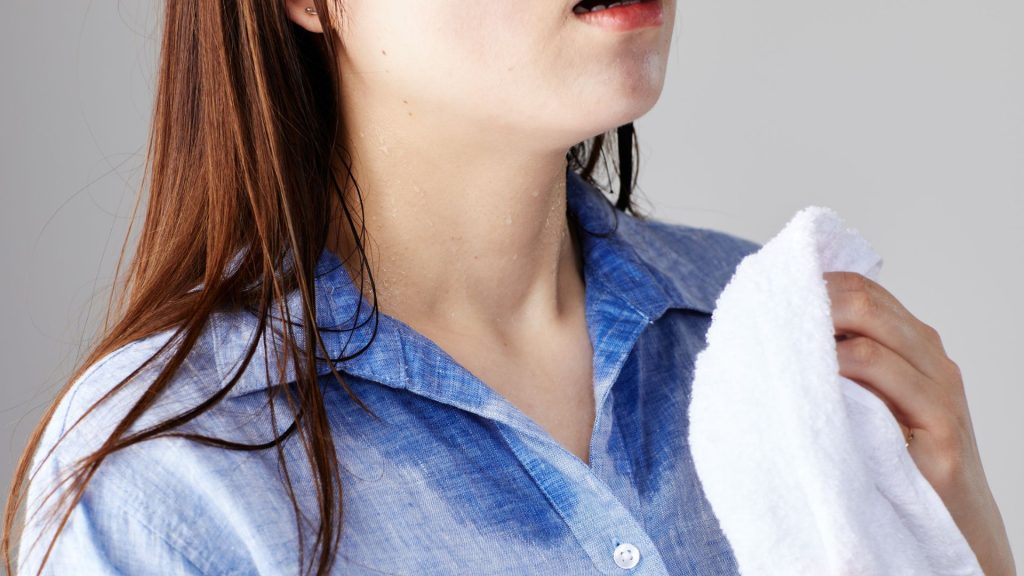
If you’re dealing with excessive pit sweating, you’re not alone, and more importantly, it’s something that can be managed. While sweating is a normal body function, excessive sweating under armpits often feels unpredictable and out of proportion, happening even in cool environments or during everyday activities. For many people, it becomes less about temperature and more about confidence, clothing choices, and constant awareness.
The good news is that there are practical ways to improve it. From simple changes at home to more structured excessive sweating treatment options, the approach depends on what’s causing the problem and how much it affects your daily life. In this guide, we’ll break down what actually works, what tends to fall short, and when it may be worth considering medical options such as anti sweat injections in a clinical setting.
Why Underarm Sweating Happens
Excessive sweating under armpits is usually driven by overactive signals between the nerves and the sweat glands. Even when your body doesn’t need to cool down, these signals can trigger sweat production. This is why many people experience excess sweating in normal, everyday situations, not just during exercise or heat.
In most cases, this falls under primary hyperhidrosis, where there is no underlying illness. However, excessive sweating causes can also include stress responses, hormonal changes, medication, or other health-related factors. Understanding the cause of excessive sweating is important, because it helps determine whether simple measures are enough or whether a more structured treatment for excessive sweating may be appropriate.
At DRV Clinic, this is always the starting point. Before recommending any excessive sweating treatments, we assess patterns, triggers, and medical history to understand what’s driving the problem. This ensures that when patients consider options like botox for sweating or anti sweat injections, it’s based on a clear and appropriate clinical decision rather than guesswork.
What Actually Works (Quick Overview)
If you’re trying to stop excessive pit sweating, it helps to focus on what actually delivers results, not just what’s commonly recommended. There isn’t a single solution that works for everyone. The right approach depends on severity, triggers, and how much the sweating impacts your daily routine.
In general, excessive sweating treatment follows a step-by-step approach. For mild cases, lifestyle adjustments and correct use of antiperspirants can make a noticeable difference. When excess sweating becomes more persistent, prescription options may be considered. And for those dealing with ongoing excessive sweating under armpits that hasn’t responded to these measures, medical treatments such as botox for sweating or anti sweat injections may be discussed.
At DRV Clinic, we guide patients through these options in a structured way. The aim is not to jump straight to procedures, but to identify what is likely to work based on your situation, and only move to more advanced excessive sweating treatments when they are genuinely needed.
Step 1: What You Can Do at Home
Before considering medical options, it’s worth getting the basics right. Many cases of excessive pit sweating improve when simple measures are applied consistently and correctly, not just occasionally.
Start with how you use antiperspirant. It’s most effective when applied at night to clean, dry skin, allowing the active ingredients to block sweat ducts while the body is at rest. Reapplying in the morning can help maintain control throughout the day. This alone can make a difference for mild excess sweating.
Clothing choices also matter more than most people realise. Breathable, natural fabrics such as cotton allow heat to escape, while synthetic materials can trap moisture and make excessive sweating under armpits feel worse. Dark colours and looser fits can also reduce visible sweat marks.
Caffeine and stimulants are another overlooked trigger. Coffee, energy drinks, and pre-workout supplements can increase adrenaline levels, which may worsen excess sweating. Reducing intake, especially before work or social situations, can help stabilise sweating patterns.
Finally, stress plays a direct role. Even low-level anxiety can trigger the same nerve signals that cause sweating. Simple strategies such as controlled breathing, pacing caffeine intake, and managing high-pressure situations can reduce flare-ups.
These steps form the foundation of any excessive sweating treatment plan. If they don’t provide consistent control, it may be time to consider the next level of excessive sweating treatments.
Step 2: Medical Options Before Injections
If home measures don’t provide consistent control, the next step is to look at medically guided options. These are typically used for moderate cases of excessive pit sweating, especially when excess sweating continues to interfere with daily life despite correct use of antiperspirants and lifestyle adjustments.
A GP may recommend prescription-strength topical treatments that contain higher concentrations of active ingredients than over-the-counter products. These can be effective for some patients, although they may cause skin irritation if not used carefully.
In certain cases, oral medications may be considered. These work by reducing the body’s overall sweating response, but they are not always suitable for long-term use due to potential side effects. Because of this, they are usually reserved for more persistent or widespread sweating.
Another option that may be discussed is iontophoresis, particularly for hands and feet. This involves using a mild electrical current to temporarily reduce sweat gland activity. While it can be effective, it requires regular sessions and ongoing maintenance.
At DRV Clinic, we always position these options as part of a wider approach to excessive sweating treatment. The aim is to understand what has already been tried and what has or hasn’t worked before considering more targeted solutions.
Step 3: When Treatments Like Injections Make Sense
If excessive pit sweating continues despite consistent use of antiperspirants and medical options, it may be time to consider more targeted solutions. This is usually the point where patients start looking into botox for sweating, particularly for excessive sweating under armpits that hasn’t responded to other approaches.
Unlike topical or oral treatments, anti sweat injections work directly at the source by reducing the signals that activate sweat glands in the treated area. This makes them especially suitable for localised sweating, where the problem is concentrated rather than generalised.
At DRV Clinic, this step is never rushed. We first confirm that simpler excessive sweating treatments have been explored and that the pattern of sweating is appropriate for targeted intervention. When suitable, botox armpit sweating treatment can offer a controlled and predictable reduction without affecting the body’s natural ability to regulate temperature elsewhere.
For many patients in London, the decision to move forward comes down to consistency. If sweating continues to impact daily routines, clothing choices, or confidence despite previous steps, anti sweat injections may be considered as part of a structured treatment for excessive sweating.
What to Do Next
If excessive pit sweating is affecting your day-to-day life, the key is not to ignore it or keep cycling through the same short-term fixes. Understanding the pattern, ruling out underlying causes, and following a structured approach to treatment for excessive sweating will always lead to better, more consistent results.
For some people, small adjustments are enough. For others, especially those dealing with persistent excessive sweating under armpits, a more targeted solution may be needed. The important part is choosing the right step at the right time, based on proper assessment rather than trial and error.
At DRV Clinic in Central London, we take a measured approach. Consultation focuses on understanding your symptoms, what you’ve already tried, and whether options such as anti sweat injections are appropriate for you. The goal is not to over-treat, but to provide a solution that is effective, controlled, and suited to your lifestyle.
If you’re unsure where you fall on that spectrum, a consultation can help clarify your options and give you a clear plan moving forward.

